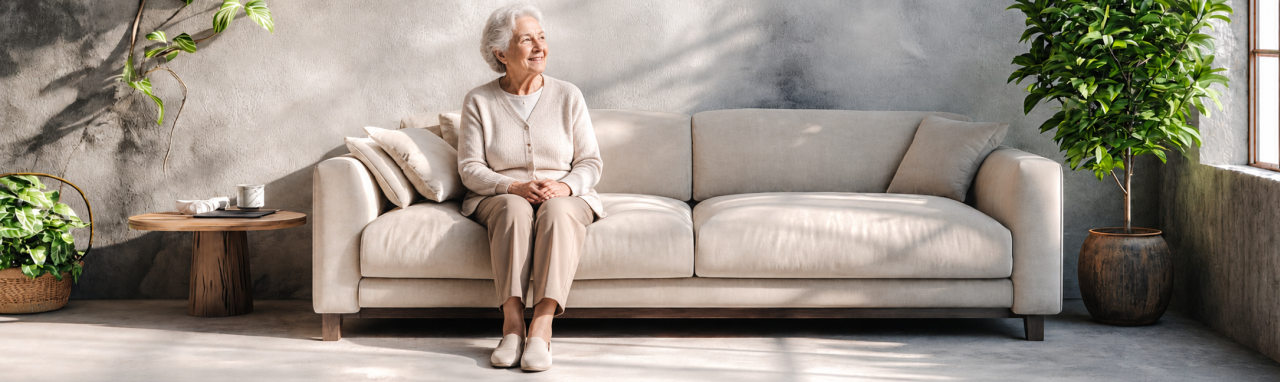
Are We Helping People Living With Dementia Still Look Like Themselves? In dementia care, we spend a great deal of time thinking about safety, comfort, nutrition, activities, communication, and personal care. But there is another part of identity that may receive far less attention: Personal style. Let’s explore this.
How someone dresses, wears their hair, applies makeup, chooses jewellery, uses fragrance, or presents themselves to the world can be deeply connected to who they are.
And yet, in many care settings, people living with dementia can begin to look increasingly similar.
Comfortable clothing. Practical shoes. Easy-care hairstyles. Minimal jewellery. Little or no makeup.
There are good and understandable reasons for this:
- Care routines need to be manageable.
- Clothing has to be safe and practical.
- Staff are working within limited time.
- Some residents need significant assistance.
But it is worth asking:
Have we become so focused on getting people dressed that we sometimes forget to help them dress like themselves?
Clothing Is More Than Clothing
For many people, the way they dressed was never random.
It reflected culture, profession, social expectations, generation, personality, routine, and pride.
One person may have worn a pressed shirt every day. Another may have loved bright colours.
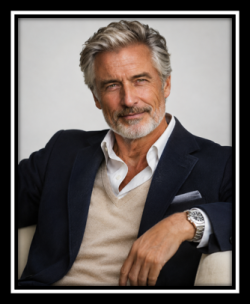
Someone else may rarely have left the house without lipstick. A man may have worn a watch, belt, and polished shoes every morning for most of his adult life.
A woman may have always coordinated her jewellery with her outfit.
These details can look small from the outside. But together, they form part of a person’s identity.
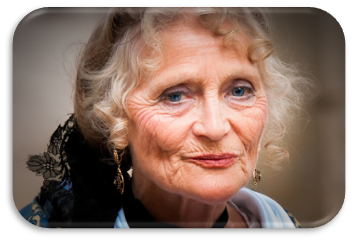 They are part of how someone has shown up in the world — and how other people have recognized them.
Personal Style Does not Necessarily Disappear with Dementia
Many people continue to show preferences for familiar colours, clothing, make-up, jewellery, hairstyles or accessories.
As dementia progresses, a person may lose the ability to explain preferences clearly.
They may no longer be able to say:
- “I don’t wear that colour.”
- “I always put my makeup on before breakfast.”
- “I would never wear sweatpants during the day.”
- “That isn’t how I do my hair.”
But the inability to explain a preference verbally does not necessarily mean the preference has disappeared. Sometimes the preference will be demonstrated through choice, recognition or response.
A familiar style, texture, accessory, scent, hairstyle, or grooming routine may still feel right.
An unfamiliar one may feel wrong.
Not Everyone Will Care in the Same Way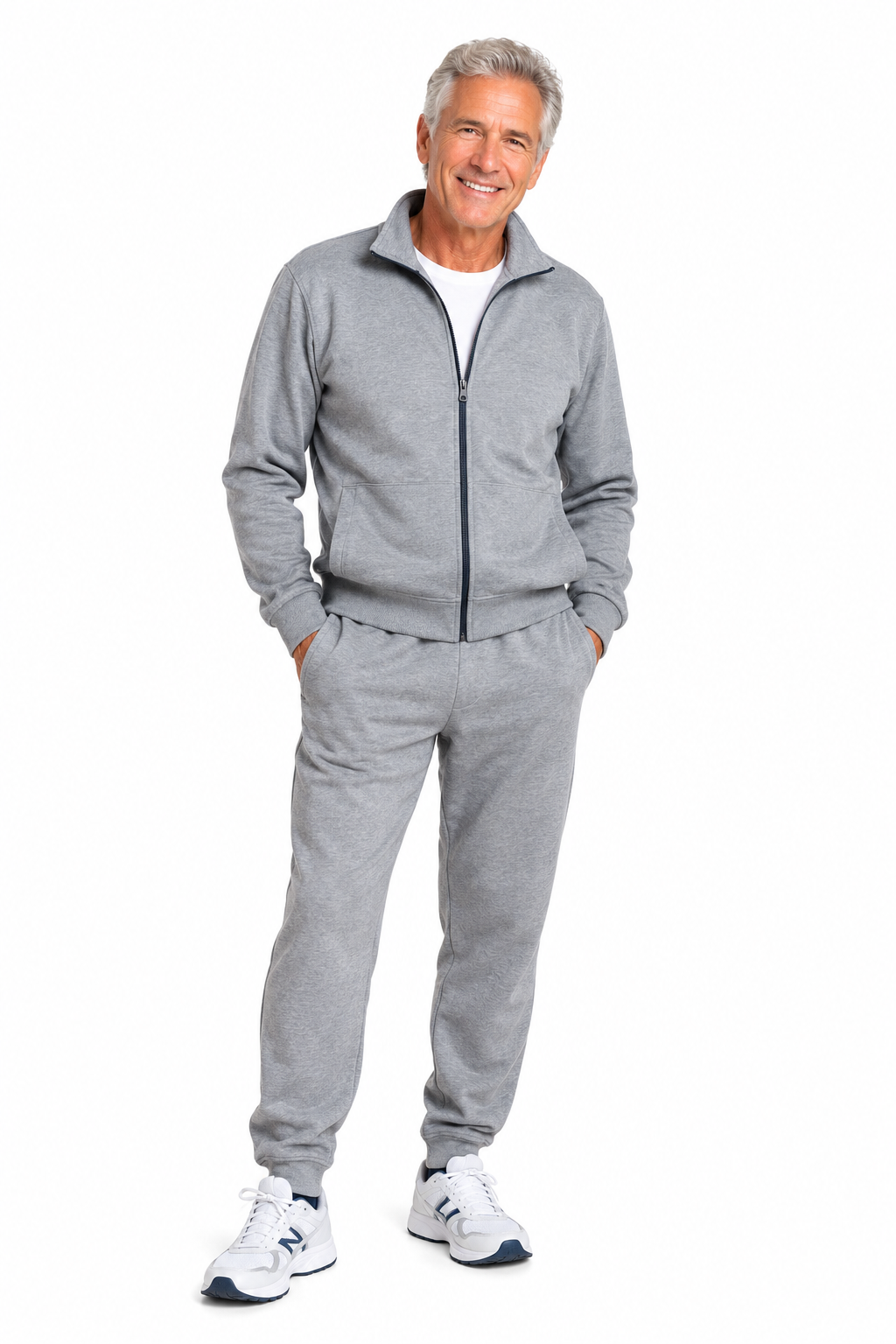
It is also important not to romanticize personal appearance.
Many older adults without dementia become less concerned with dressing up than they were earlier in life. Priorities change. Comfort may matter more. Some people genuinely do not care much about makeup, jewellery, coordinated outfits, or looking especially polished.
The same will be true for some people living with dementia. But others will care very much.
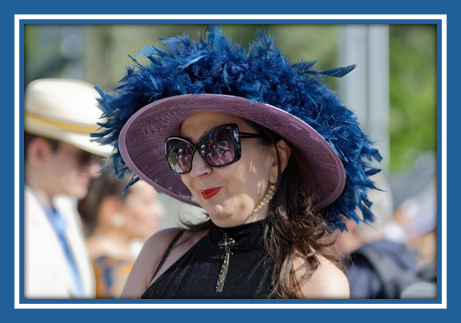
There are still people who have always taken pride in looking elegant, colourful, fashionable, dramatic, glamorous, perfectly groomed, or simply unmistakably themselves…
The flamboyant ones. The stylish ones. The people who never left the house without their lipstick, favourite scarf, jewellery, pressed shirt, polished shoes, or perfectly arranged hair.
Many of those people will also develop dementia.
For them, personal appearance may continue to matter even when they can no longer explain why.
That is why the goal is not to make everyone “look good” by somebody else’s standard.
The goal is to understand what looking like themselves has meant to this particular person — and whether that still matters to them now.
Familiar Appearance Can Still Feel Right
 A person may no longer be able to explain why a certain blouse, hairstyle, scent, scarf, watch, or shade of lipstick matters.
But emotional memory may still remain.
Familiar styles, textures, and ways of dressing can still evoke comfort, confidence, and a sense of “rightness.”
When clothing and grooming align with a person’s lifelong identity, it may support presence, engagement, and ease.
When they do not, a person may feel unsettled or withdraw — often without having the words to explain why.
What Looks Like Resistance May Be Self-Protection
Imagine being dressed in clothing you would never have chosen for yourself or someone changing your hairstyle because, they say, it’s easier to manage.
Or, if someone removed your jewellery because it seems unnecessary.
Imagine no longer being offered makeup because someone assumes it does not matter anymore.
Just imagine being dressed entirely for convenience.
Most of us would notice. Many of us would object.
A person living with dementia may notice too — even if they cannot explain the objection.
This is why resistance during dressing or grooming should not automatically be treated as a problem to overcome.
It may be information. It may be saying:
This does not feel like me.
This ⇓ is me!
When we rush or override clothing and grooming preferences, the response we see may not be about being difficult.
It may be about protecting identity.
Personal Style Can Be Supported
Supporting personal style does not mean creating complicated grooming routines or insisting that someone look exactly as they did twenty years ago. It means paying attention.
- What did this person normally wear?
- Were they formal or casual?
- Did they prefer certain colours?
- Did they wear jewellery?
- Did they use makeup?
- Did they always shave?
- Did they wear cologne or perfume?
- Was their hair styled in a particular way?
- Did they always wear a cardigan, scarf, hat, watch, brooch, or necklace?
These details can come from family, photographs, old routines, personal belongings, and observation.
They can become part of care.
The Person May Need Help — and Still Have Style
A person does not have to dress or groom independently for personal style to matter. They may need assistance with buttons, fasteners, makeup, shaving, hair, or clothing selection.
That assistance should not erase preference.
We can support the person to participate in whatever part they can still do.
Perhaps they choose between two familiar blouses or shirts.
Or they hold the lipstick while a caregiver helps apply it.
Maybe they choose the necklace.
Perhaps staff style the hair in the way the person has always worn it.
Maybe a favourite scarf becomes part of the morning routine.
The goal is not independence at all costs.
The goal is to preserve influence, familiarity, identity, and dignity.
 A Question Worth Asking
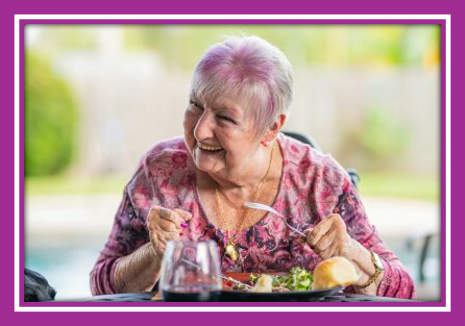
When we look around a care setting, how many residents still look distinctly like themselves?
Not simply clean, dressed and groomed.
But recognizable in their own personal style.
That may be an area of dementia care we have underestimated.
Personal appearance is not superficial when it is connected to identity.
For some people, it may be one of the remaining ways they can still communicate:
This is who I am.
Key Takeaway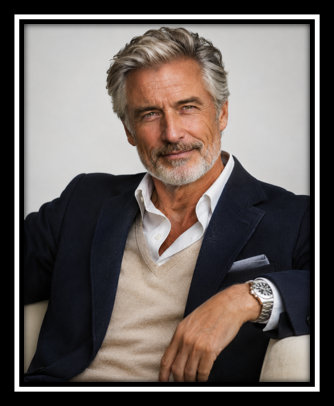
For men and women, clothing, grooming, jewellery, makeup and personal style can carry identity long after the person can no longer explain their preferences. When we support those familiar expressions of self, we may also support comfort, confidence, engagement, and dignity.
And when someone resists what we are offering, it may be worth asking:
Are they being difficult — or are they trying to protect who they are?
Register for Resident Choice: Part One and Part Two.