Caregiver Documentation Really Matters

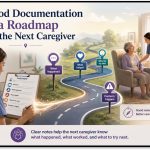
Caregiver Documentation: Write What Happened, Not What You Think It Means – In dementia care, caregiver documentation is more than a record of the past. It is a communication tool for the next caregiver, the next shift, the care team, and sometimes the family or leadership team. Done well, documentation helps everyone understand what happened, what may have contributed…

Read more

Memory Loss – What Actually Replaces It?

When Memory Fails, What Replaces It? When people think about dementia, they often think first about memory loss. That is understandable. Memory changes are among the most visible and recognizable signs of dementia. A person may forget names, dates, instructions, appointments, conversations, or what just happened a few moments ago. But there is a dangerous assumption hidden inside the…

Read more

Every Caregiver Needs a Bigger Toolbox

Caregiver Stress Is Real: Why PSWs and Frontline Staff Need a Bigger Toolbox…a Growing Toolbox Personal Support Workers, care aides, and other frontline caregivers carry much of the emotional and physical weight of dementia care. They are the ones helping people wake up, wash, dress, eat, move, settle, participate, and feel safe throughout the day. They are also the…

Read more

Name Tags in Memory Care, Residents First

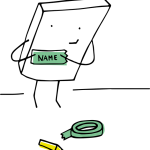
In memory care, one of the most common breakdowns is social recognition. The breakdown happens when people stop using names. Conversations become hesitant. Relationships flatten. That’s why we need name tags in memory care.  The name tag is one of the simplest tools we’ve got to restore that connection but it’s often underused or misunderstood. Within the Montessori Inspired…

Read more

Unintended Infantilization of Dementia Care

This may be uncomfortable to read—and even more uncomfortable to recognize in ourselves. It’s about the unintended infantilization of dementia care – When kindness crosses a line we didn’t mean to cross. But it’s a conversation long overdue in long-term care: Are we, unintentionally, treating adults with dementia like children? Not in policy. Not in intention. But in tone, language, and daily…

Read more

Responsive Behavior Is a Late-Stage Indicator

In long-term care, the phrase “responsive behavior” is everywhere. It appears in documentation, care plans, shift reports, and team discussions. It has helped move the sector away from blaming language like “aggressive” or “difficult,” and toward a more person-centered understanding. But there’s a deeper issue we need to confront: By the time something is labeled a responsive behavior, we are…

Read more

It’s Just a Broom

At the case conference, the idea sounded simple enough. “We could place a broom and dustpan in the corner of the dining room,” said the recreation therapist. “Not hidden. Visible. With a small sign that says, Help us keep the home clean.” She said it the way people do when they think they are suggesting something completely reasonable. And…

Read more