
Activities for Dementia Patients: And Why They Often Fail –
Many activities for dementia patients fail because they focus on keeping people busy rather than helping them feel useful. While activities like puzzles or crafts can be helpful, people living with dementia often respond better to meaningful roles, familiar tasks, and real-life participation. Engagement that supports purpose, contribution, and success is more effective than activities alone.
When people search for activities for dementia patients, they are usually trying to solve a real problem.
They are looking for ways to:
- reduce boredom
- calm agitation
- improve mood
- help someone feel engaged
And most of what they find are lists of activities:
- puzzles
- crafts
- music
- games
- sensory items
Some of these can work.
But many don’t.
Not because the idea is wrong—but because the activity itself is not the real solution.
For many people living with dementia, especially in moderate and advanced stages, what they need is not just something to do.
They need something that feels meaningful, familiar, and purposeful.
Why Many Dementia Activities Fail
People often search for:
- best activities for dementia patients
- calming activities for dementia
- dementia activities at home
The assumption is:
“If I find the right activity, things will improve.”
Sometimes they do.
But often:
- the person refuses
- loses interest quickly
- becomes frustrated
- or disengages completely
This happens because many activities are:
- too abstract
- too unfamiliar
- too dependent on lost abilities
- or too obviously “just to keep them busy”
And people living with dementia can sense that.
Being Busy Is Not the Same as Being Engaged
A major issue in dementia care is the focus on keeping people occupied.
But:
- being busy ≠ being engaged
- being engaged ≠ feeling needed
A person can:
- attend a full activity schedule
- sit through group programs
- complete tasks
…and still feel disconnected.
That’s because activities don’t always meet deeper needs:
- purpose
- identity
- belonging
- usefulness
What People With Dementia Actually Need
Instead of asking:
👉 “What activity should we do?”
A better question is:
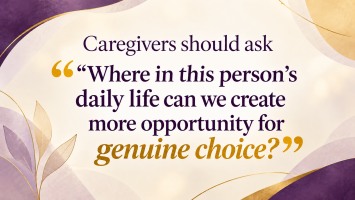
👉 “What can this person still do that matters?”
This shift leads to:
- meaningful engagement for dementia patients
- familiar tasks
- simple contribution
- real-life participation
Examples include:
- setting napkins
- folding laundry
- watering plants
- organizing items
- helping prepare for meals
- handing things to others
These are not just activities.
They are roles.
Activities vs Roles in Dementia Care
Activities
- scheduled
- time-limited
- optional
- planned for the person
Roles
- ongoing
- familiar
- purposeful
- connected to daily life
- done with the person
An activity may fill time. A role creates meaning.
What Makes a Good Dementia Activity
If you are choosing activities, focus on:
✔ Familiarity
Connect to past life experiences
✔ Simplicity
One-step, easy to understand
✔ Success
The person can complete it (or part of it)
✔ Sensory clarity
Hands-on, visible, concrete
✔ Purpose
Feels useful—not artificial
Best Activities for Dementia Patients at Home
At home, the most effective “activities” are often everyday tasks:
- folding towels
- wiping surfaces
- watering plants
- sorting items
- setting the table
- arranging objects
- listening and singing to familiar music
These work because they are:
- real
- familiar
- low-pressure
- meaningful
Activities in Long-Term Care: What’s Missing
In care settings, engagement is often tied to a calendar.
But residents need engagement:
👉 throughout the day—not just during activity time
Better approaches include:
- hallway engagement points
- simple task stations
- resident roles
- committee participation
- environmental invitations
Why Meaningful Engagement Reduces Behaviors
Many people search for:
- activities to reduce agitation
- calming dementia activities
But the deeper issue is often:
👉 lack of meaningful engagement
When people are:
- bored
- passive
- confused
- under-stimulated
They are more likely to:
- wander
- repeat
- resist
- become distressed
Meaningful roles help reduce these triggers.
Better Questions to Ask
Instead of:
❌ “What activity should we do?”
Ask:
1.What can they help with?
2.What feels familiar?
3.What role could they have?
4.What can they do successfully?
5.What invites participation naturally?
Examples of Meaningful Alternatives
- helping set up meals
- folding linens
- organizing items
- watering plants
- preparing for outings
- welcoming others
- simple committee involvement
The Real Goal
The goal is not:
- entertainment
- filling time
- constant stimulation
The goal is:
- dignity
- success
- contribution
- belonging
- calm
Final Thought
If you are searching for activities for dementia patients, you are looking for something that helps.
But the most effective approach is not just more activities.
It is better engagement.
People living with dementia do not just need things to do.
They need ways to:
- participate
- contribute
- feel useful
- remain connected to life
That is why activities alone are often not the answer.👉 Roles matter more.

What are the best activities for dementia patients?
The best activities are simple, familiar, and meaningful. Everyday tasks like folding laundry, watering plants, or setting the table often work better than games or crafts.
Why do dementia patients lose interest in activities?
Many activities fail because they are too abstract, unfamiliar, or lack purpose. People with dementia often prefer tasks that feel real and useful.
What helps calm dementia patients?
Meaningful engagement, familiar routines, and simple tasks can help reduce agitation. Preventing boredom and confusion is often more effective than reacting afterward.
Are activities enough for dementia care?
No. Activities can help, but they are not enough on their own. People with dementia often need meaningful roles and opportunities to contribute.
Join our next online session of: Dementia Inclusive Resident Committees
and…
Creating and Presenting Activities Adapted for the Cognitively Impaired – Montessori Dementia Center